Florists Choose Filler Flowers for Bouquet arrangements
Guide , Flower

How Florists Choose Filler Flowers in Bouquets  

Filler flowers in bouquets are the smaller blooms, and greenery florists use to add fullness, texture, balance, and smooth transitions around focal flowers. They help bouquets look more complete, polished, and professionally arranged. 

Types of bouquet fillers will vary depending on the style, color, and texture of a specific bouquet. These elements also help to tie the arrangement together and create a complete, professional look. 

Table of Contents

How Filler Flowers Matter in Bouquet Design  

Wondering how to make a bouquet look perfectly overflowing and nicely proportioned, rather than thin or all over the place? It’s all down to how you use filler flowers in bouquets. Your star flowers are often the first to steal the show, but filler flowers subtly define the arrangement, making it appear fuller and more complete. 

Florists use many types of bouquet fillers to fill gaps and tie the arrangement together without diverting focus from your star blooms. They create smooth transitions and add dimension, giving the bouquet an attractive look from every perspective. 

Filler flowers and foliage add a touch of greenery, providing texture and balance and giving your bouquet a fresh, vibrant feel. Chosen with care, the right bouquet fillers not only support your bouquet’s structure but also enhance its beauty and elegance.

What are Filler Flowers in a Bouquet? 

The filler flowers in a bouquet are the accent pieces and small flowers added to fill-up the arrangement. The filler flower complements the main flower in a bouquet, helping the arrangement feel complete. Filler flowers differ from focal flowers because they are not meant to dominate the design; they serve a background role, adding body and a soft appearance to bouquets.

In designing a bouquet, three types of flowers can be designated: focal flowers, secondary flowers, and filler flowers. Focal flowers are the flowers that catch the eye when looking at an arrangement. Secondary flowers offer variety in color and shape, whereas filler flowers complete the look.

There are a variety of bouquet filler flowers, such as soft accent flowers and filler bouquet greenery; florists can select from both to enhance the arrangement’s shape without detracting from the main flowers. Many fillers include greenery elements that add texture and flow, a role closely linked to foliage in flower arrangements.

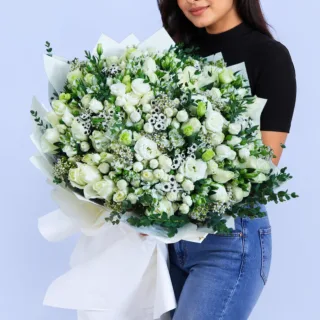
From soft accent flowers to white filler flowers for bouquets, filler flowers contribute to a more polished finish. Selecting the best filler flowers for bouquets helps the arrangement look complete and well-designed.

Hands arranging a bouquet of pink and white roses, baby's breath, and greenery on a wooden table with floral supplies and tools nearby.

Why Do Florists Use Filler Flowers? 

Florists use filler flowers in a bouquet to add visual interest without taking focus away from the dominant flowers. This helps the bouquet achieve fullness, creating a visually pleasing sense of density.

When selecting suitable flowers as fillers for a bouquet, the use of these flowers brings together and helps with the balance and symmetry of the whole bouquet arrangement. Fillers also enhance color contrast within a bouquet, making the principal flowers stand out.

The best filler flowers within a bouquet arrangement are often the flowers that last the longest, making sure that the bouquet remains fresh for as long as possible. Furthermore, selecting the best fillers is often an inexpensive way to increase the elegance of a floral design.

Types of Bouquet Fillers Florists Commonly Use 

Florists use a wide variety of types of bouquet fillers to create their floral arrangements. Filler flowers in bouquets are specifically chosen based on the bouquet’s style to add fullness and texture and achieve the desired final look. 

Soft filler flowers like baby’s breath are the best filler flowers for bouquets for airy arrangements.  

Textured filler flowers, such as wax flowers, are great for adding variety to hand bouquets

Greener fillers are often used as filler flowers for bouquets to maintain a natural look, and florists often cite them as top bouquet fillers, including Eucalyptus and ferns. 

Seasonal choices also affect the types of filler flowers used in the bouquet. Fresh and dried filler flowers are also available, with fresh ones providing a vibrant look and feel, while dried filler flowers provide a lasting rustic feel.

Best Filler Flowers for Bouquets

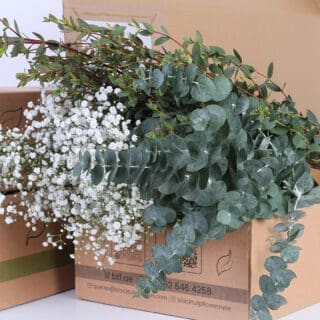
1. Baby’s Breath (Gypsophila) 

A favourite when choosing a filler flower, it is classic for its soft, floaty quality, which adds size without much weight.

Buy bunches of Baby’s Breath:

Recommended bouquets with Baby’s Breath:

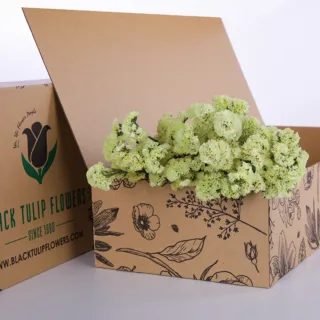
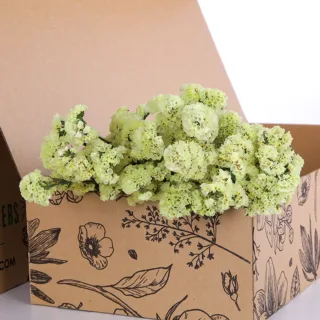
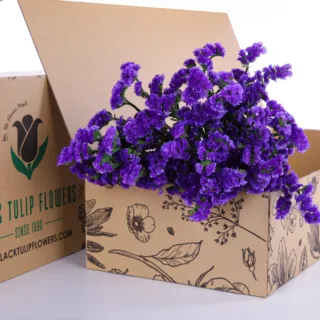
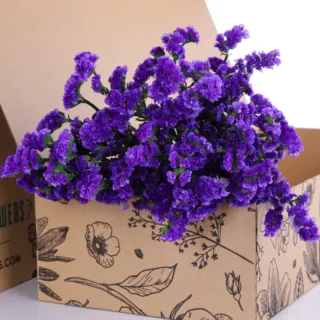
2. Statice:

These flowers will last the longest and still look fresh. One of the more reliable filler flowers in bouquets, it can add a hint of color and a slight textural quality. 

Buy bunches of Statice:

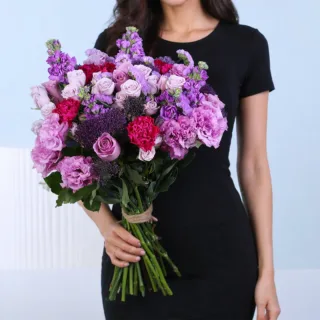
Recommended bouquets with Statice:

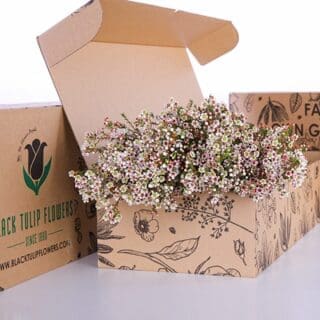
3. Wax Flowers:

Commonly added to all sorts of bouquet fillers for a delicate look with a touch of texture and a lovely scent.

Buy bunches of  Wax Flowers:

Recommended Bouquets with wax flowers:

4. Solidago (Goldenrod):

Very cheerful, adding a “pop” of bright color and contrast to flower bouquets. 

5. Queen Anne’s Lace:

Delicate and lacy, the flowers are quite elegant. This filler flower will give a bouquet a very natural, garden-like look.

Why are these Considered the Best Bouquet Fillers? 

  • Provides a soft fullness without detracting from focal flowers. 
  • Mixes well with all other types of bouquet filler and flower styles. 
  • Complement both blooms and bouquet filler greenery. 
  • Adds balance, structure, and texture. 
  • These are among the best bouquet fillers. 

Bouquet Filler Greenery that Elevates Designs 

1. Eucalyptus:

One of the most favoured among bouquet filler types. This filler’s soft, faded colours and refreshing scent add class to any bouquet. 

Buy bunches of  Eucalyptus:

Recommended Bouquets with Eucalyptus:

2. Ruscus:

This sharp-edged filler type is often used as one of the finest bouquet fillers. It creates a neat, clean, and modern arrangement. 

Buy bunches of  Ruscus:

Recommended Bouquets with Ruscus:

  • Elegant light pink roses paired with fresh greenery, arranged in a full, rounded bouquet that conveys charm and sophistication.

    Blush Petal Delight

    In stock
    Price range: AED 225.00 through AED 285.00
    Select options This product has multiple variants. The options may be chosen on the product page
  • Bouquet of 20 red carnations and ruscus stems in white wrapping, finished with a black ribbon.

    20 Red Carnations Bouquet

    In stock
    Price range: AED 129.00 through AED 189.00
    Select options This product has multiple variants. The options may be chosen on the product page

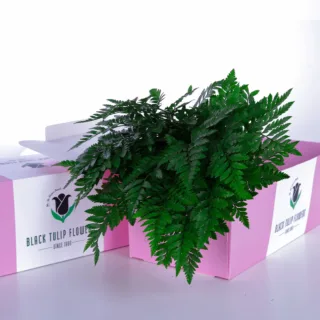
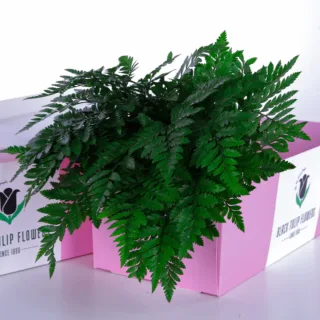
3. Fern:

Airy and feathery, ferns are light and have a very organic feel to fill flowers in a bouquet arrangement. 

Buy bunches of  Fern Leaves:

Recommended Bouquets with Fern Leaves:

4. Ivy:

Trailing stems and movement are some benefits when using ivy as a filler in any bouquet. 

Role of Greenery in Bouquet Design 

  • Adds richness and depth to arrangements. 
  • It is fresh and adds a live, natural feel to any arrangement. 
  • It works beautifully with the bright flowers and white filler flowers to make a bouquet look softer and more balanced. 
  • Works as a counterbalance to the other best filler flowers for bouquets. 
  • It can be used across different types of bouquet fillers.

White Flower Fillers for Bouquets 

Popular White Fillers 

  • White hues bring a clean, classic look to a bouquet of filler flowers. 
  • They pair easily with other hues without overshadowing any primary flowers. 
  • Softness is conveyed by filler flowers used within a bouquet. 
  • They are an excellent choice for achieving a minimalistic yet classy style. 

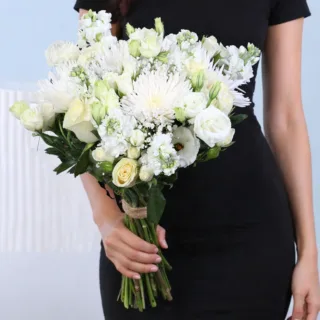
Florists often use white filler flowers in bridal bouquets, luxury bouquets, and minimalist arrangements because they brighten the design without making it look busy. 

Popular Whites 

  • Baby’s Breath: The standard white filler flowers for bouquets; it has a light, airy feel. 
  • White Statice: These flowers add subtle texture in a neutral, classic color. 
  • White Wax Flowers: These will add a touch of class as detailed filler flowers to a bouquet

How They Function in Bouquets 

  • They work beautifully in minimalist and contemporary bouquet styles. 
  • They increase the brightness of a bouquet and open it up. 
  • They work with both vivid, bold arrangements and light, pastel groupings of flowers. 
  • They are a great selection for a luxurious bouquet design. 

How Florists Choose Fillers Based on Occasion 

Romantic Bouquets 

The florist chooses soft, fragile filler flowers to enhance the  romantic bouquet’s look and feel, giving it a dreamy appearance. look and feel, giving it a dreamy appearance. 

Birthday Bouquets 

Cheerful, fun flower options are often selected as the top filler flowers for a bouquet that can brighten any arrangement with their vibrancy, adding color and joy to the entire setting. 

Corporate Bouquets 

In the corporate setting, clean, orderly bouquets use subtle, sophisticated fillers. 

Sympathy Bouquets 

Neutral filler flowers in bouquets help give the entire arrangement a sense of calm, respect, and uncomplicated beauty.

Bridal Bouquet Fillers & Wedding Bouquet Trends

Popular Wedding Bouquet Fillers

Baby’s Breath – A classic addition to wedding bouquet fillers, offering a soft and romantic look.

Eucalyptus – Contributes an airy, fresh addition to filler flowers used in wedding bouquets. 

Dusty Miller – A wedding bouquet filler with a muted, silver hue, great for wedding bouquets with neutral and soft palettes.

How Fillers Complement Wedding Themes 

  • They enhance filler flowers for wedding bouquets without overtaking other blooms 
  • Great for matching wedding color schemes, such as with white filler flowers in a classic wedding bouquet 
  • Adding texture and volume for a well-crafted, balanced bouquet design 
  • They are especially popular in soft romantic, garden-style, boho, and minimalist bridal bouquet designs. 

Wedding Bouquet Filler Trends 

Boho styles – Loose, relaxed arrangements using natural-feeling filler flowers in wedding bouquets. 

Minimalist styles – Tight, contained bouquets with simple, refined filler  flowers for wedding bouquets.. 

Luxe styles – Overflowing and luxurious arrangements, designed with fine-tuned, high-quality, best-in-class fillers for wedding bouquets. 

Key Factors for Choosing Filler Flowers in Bouquets 

Harmony of Colors: 

Fillers should match the main flowers to harmonize well with them. 

Texture and Layering: 

Types of bouquet fillers will be chosen to bring about volume and size. 

Size and Shape of Bouquet: 

The choice of filler flowers used will depend on whether the bouquets are compact, cascading, or open and airy. 

Seasonality and Freshness: 

Florists should aim to use seasonal filler flowers in bouquets for better appearance and freshness. 

Fragrance Balance: 

The aroma of each filler should balance with the others and also the primary flowers.

Budget Considerations: 

The best bouquet fillers should complement the design while also being cost-effective. 

Tips to Choose the Best Bouquet Fillers 

Match fillers to main flowers. 

Choose filler flowers for your bouquet that match the colors, size, and shape of your main flower, so the bouquet is unified in design. 

Don’t overstuff your bouquet. 

Even the best filler flowers for bouquets should be used in moderation to avoid a messy look. 

Mix your textures carefully in bouquet fillers. 

A mix of filler flowers for bouquets will add depth to the design without making the arrangement too busy. 

Choose flowers for bouquets with longevity. 

Select the best bouquet fillers to ensure your bouquet lasts longer without wilting. 

Consider your event.

Choose appropriate filler flowers for wedding bouquets and other events to complement the overall theme and motif. 

Infographic with five bouquet filler tips, each illustrated by a floral arrangement: match fillers, avoid overstuffing, mix textures, choose long-lasting flowers, and consider the event.

Conclusion 

Often, we don’t pay as much attention to them, but filler flowers in bouquets can actually transform a bouquet by creating balance, volume, and a sense of sophistication. These flowers are essential for creating an arrangement where simple flowers appear more lavish and complete. 

By understanding the types of bouquet fillers and selecting the best filler flowers, any arrangement can be made much more stunning. Select expertly arranged bouquets from trusted florists in Dubai that combine main flowers with complementary fillers. 

FAQs

Filler flowers in a bouquet are small flowers or foliage used to fill gaps around larger or more prominent flowers, creating more volume, depth, or texture.

Yes, filler flowers alone can make lovely, elegant, and sparse arrangements.

They make the bouquet appear fuller, allow smoother transitions, and provide a professional-looking finish. 

Main (focal) flowers are those large and colorful flowers, used as eye-catching center pieces and defining parts of bouquet; and fillers are smaller flowers or other materials used to add volume, texture, or support to arrangements without overshadowing the focal flower.

Top filler flowers for bouquets at weddings are baby’s breath, eucalyptus, wax flowers, and statice due to their graceful and classic qualities. These fill flowers work very well at weddings as they soften arrangements, adding fullness and cohesion. 

Currently trending filler flowers are baby’s breath, eucalyptus, wax flowers and ruscus are trending as popular choices to add texture and natural flow to floral bouquets, they add volume and balance for a soft modern look. 


HomeAccount
Search
Menu