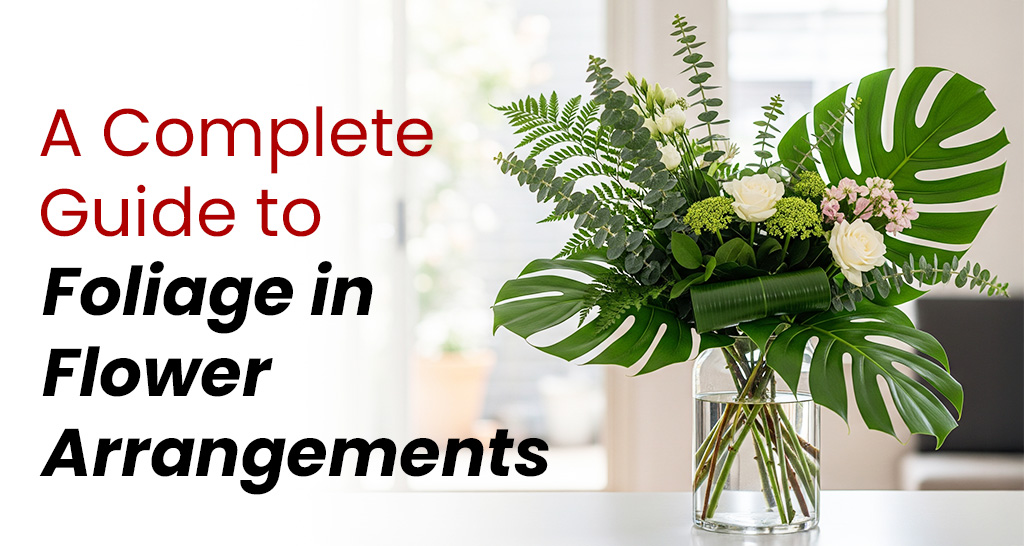
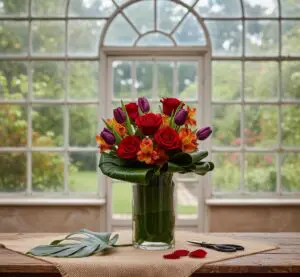
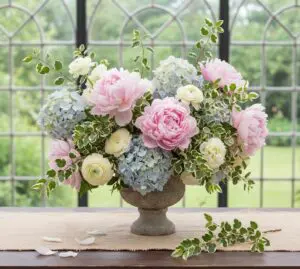
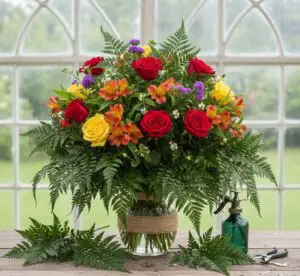
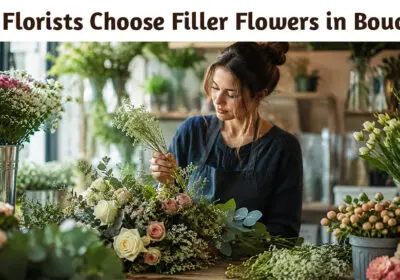
A Complete Guide to Foliage in Flower Arrangements
Have you ever wondered what makes a flower arrangement look complete that lush, balanced, and natural look that instantly draws your eye?
It is not just the roses, lilies, or orchids that steal the show!
It is the green foliage that ties everything together.
So, what exactly is foliage in floral design?
In this complete guide, we will walk you through everything you need to know about using foliage in floral arrangements from popular types and creative styling ideas to expert tips on how to select, combine, and care for your greenery like a pro.
Table of Contents
What Is Foliage and Why Does It Matter
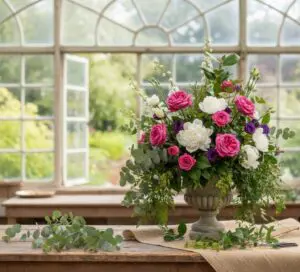
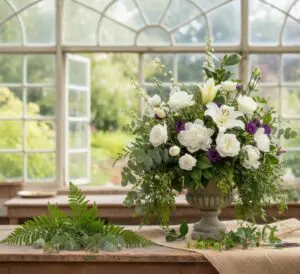
Foliage, often referred to as floral fillers or greenery, is the foundation that provides your arrangement with structure, shape, and depth.
These green leaves in flower arrangements are not just background elements.
They add texture, contrast, and that effortless, garden-fresh charm.
Why is foliage important in flower arrangements and flower bouquets?
Because it creates balance, it frames the flowers, enhances their colour, and gives your design a fuller, more luxurious feel. Whether you are putting together bridal bouquets, flower table centrepieces, or simple vase arrangements, the right mix of green filler and foliage transforms a good design into a breathtaking one.
How Foliage Elevates Your Floral Arrangements
Have you ever noticed how a bouquet instantly feels richer and more complete once the greenery is added? Foliage is the quiet element that adds depth, balance, and character to every floral arrangement.
Adds depth and texture to arrangements.
Enhances the colors and contrast of blooms.
Creates a natural flow and visual harmony.
Extends the life of flowers by maintaining moisture balance.
Provides support and volume, especially in hand-tied bouquets.
Think of foliage as the stage that allows your flowers to shine. Without it, even the most vibrant flowers can look sparse or unfinished.
Popular Types of Foliage for Flower Arranging
Every florist has their favourite greens, but here are some of the most loved and versatile filler greenery for bouquets – perfect for both beginners and professionals.
1. Eucalyptus
Eucalyptus has become a staple in floral design. With its silvery-green tone and soft aroma, it adds freshness and movement to any bouquet.
Best for: Modern, romantic, or rustic themes.
Pairs well with: Roses, carnations, peonies, and tulips.
Tip: Use seeded eucalyptus for texture or silver dollar eucalyptus for a draping effect.
2. Ferns
Ferns come in many varieties, from delicate maidenhair to full leather leaf ferns. Their feathery fronds add a soft, airy touch to floral designs.
Best for: Traditional bouquets and tropical arrangements.
Pairs well with: Lilies, orchids, and white roses.
Tip: Keep ferns hydrated; they tend to dry out quickly in air-conditioned environments.
3. Ruscus
Italian and Israeli Ruscus are prized for their long shelf life and shiny, dark green leaves.
Best for: Event decor and corporate floral pieces.
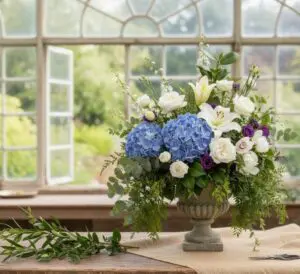
Pairs well with: Hydrangeas, calla lilies, and orchids.
Tip: Use Ruscus stems as structural filler in large vases.
4. Monstera Leaves
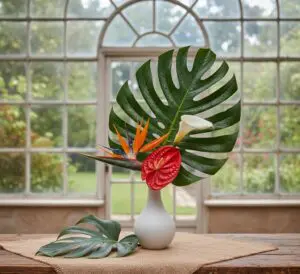
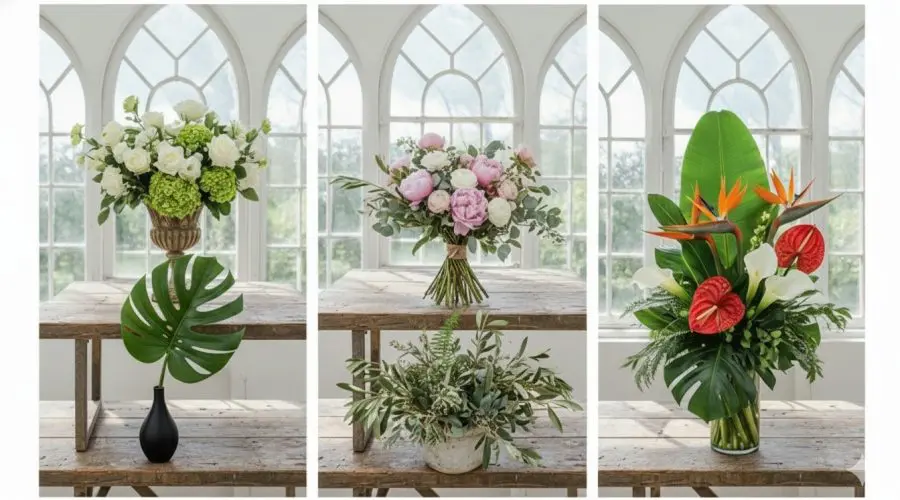
Nothing says tropical elegance like a single, dark green Monstera leaf with its distinctive foliage.
Best for: Minimalist or exotic arrangements.
Pairs well with: Anthuriums, birds-of-paradise, or white lilies.
Tip: Wipe leaves with a damp cloth before use for an extra glossy finish.
5. Aspidistra
Aspidistra, or “cast-iron plant,” is often used to line vases or wrap bouquet bases. Its broad leaves create a polished, professional look.
Best for: Base layering and structural support.
Pairs well with: Roses, tulips, and alstroemeria
6. Pittosporum
With small leaves and subtle variegation, Pittosporum adds gentle color variation.
Best for: Spring arrangements and soft romantic bouquets.
Pairs well with: Peonies, hydrangeas, and ranunculus.
7. Leather Leaf
Reliable, affordable, and easy to shape, leather leaf fern is used in most commercial bouquets.
Best for: Everyday bouquets and large-scale designs.
Tip: Mist lightly before arranging for a fresh, lush look.
How to Choose the Best Foliage for Flower Arranging
When selecting green filler in flower arrangements, consider the following:
Theme and Colour Palette
Dark foliage creates contrast with light blooms, while soft greens suit pastel flowers.
Example: Pair dark green foliage with white lilies for a sophisticated look.
Texture
Mix delicate, feathery foliage (like asparagus fern) with broad leaves (like monstera) for balance.
Longevity
If you’re designing for events, pick foliage that stays fresh longer — like Ruscus or eucalyptus.
Purpose
For structure: Aspidistra, Ruscus
For texture: Ferns, Eucalyptus
For filler: Pittosporum, Leather Leaf
Seasonality
Choose locally available greens during each season for freshness and sustainability.
Foliage Arrangement Ideas
If you are wondering how to use greens creatively, try these foliage arrangement ideas, which work well for bouquets, centerpieces, and decorative pieces.
1. Green-Only Arrangements
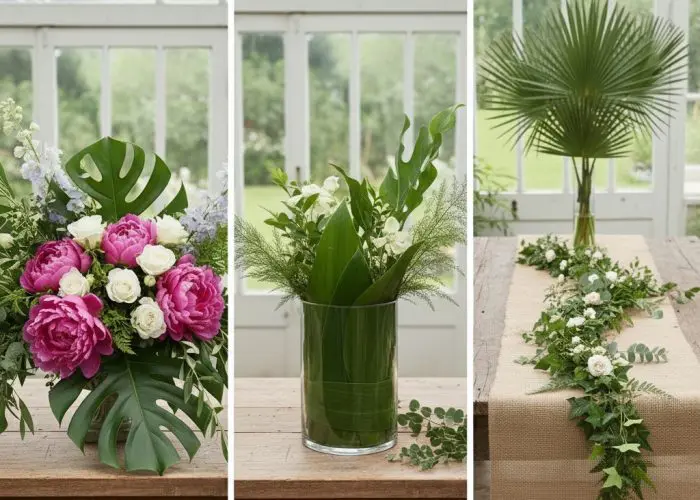
Create a statement with a green display featuring various shades and textures. Combine monstera, ferns, and eucalyptus for a lush tropical vibe.
2. Framing the Flowers
Use foliage to create natural frames around focal flowers, perfect for floral fillers and greens in wedding flower gifts and bouquets.
3. Layering Technique
Start with broad leaves, such as aspidistra or monstera, at the base, then layer finer greens, such as ferns or Ruscus, on top. This adds depth and structure.
4. Adding Height and Drama
Tall foliage, such as palm leaves or eucalyptus, adds height, while cascading greens, like ivy, create flow and movement.
5. Table Centerpieces
Line table runners with low-growing greens, such as ferns and eucalyptus sprigs. Add small blooms for a minimalist, garden-inspired look.
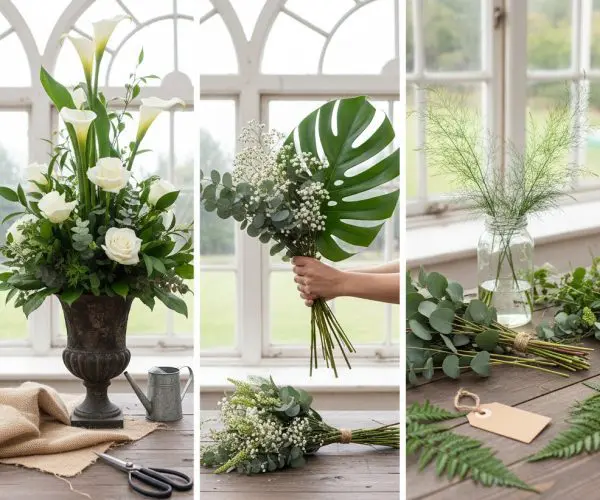
DIY: How to Use Foliage in a Bouquet
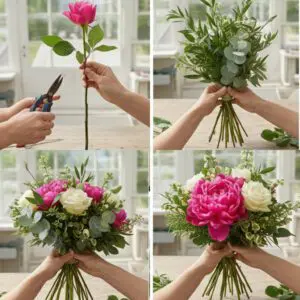
Here’s a simple, step-by-step guide to creating a professional-looking bouquet using bouquet filler greenery:
Prepare Your Flowers and Greens
Trim stems at a 45° angle and remove lower leaves that may sit in water.
Start with the Foliage Base
Arrange a few stems of Ruscus or eucalyptus in your hand or vase to form the outline.
Add Focal Flowers
Place your main blooms (such as roses, lilies, and peonies) evenly throughout the arrangement.
Add Secondary Flowers and Fillers
Use smaller flowers or filler greens, such as Pittosporum or leather leaf, to fill gaps.
Adjust Shape
Rotate the bouquet as you build it to maintain balance and symmetry.
Secure and Finish
Tie stems with floral tape or twine. Wrap the base with aspidistra leaves for a neat finish.
Best Foliage for Different Types of Arrangements
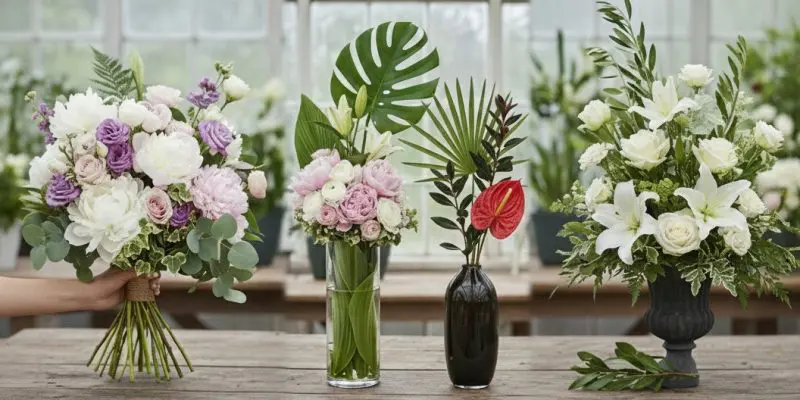
Arrangement Type
Recommended Foliage
Effect
Hand-Tied Bouquets
Eucalyptus, Leather Leaf, Ruscus
Adds body and movement
Vase arrangements
Monstera, Aspidistra, Ferns
Provides shape and volume
Wedding Bouquets
Pittosporum, Silver Dollar Eucalyptus, Ivy
Soft, romantic texture
Corporate Displays
Monstera, Palm Leaves, Ruscus
Modern, structured look
Sympathy Flowers
Laurel, Olive Branch, Ferns
Elegant and calm appearance
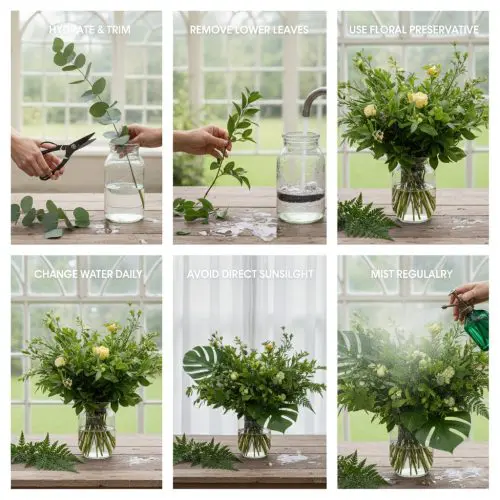
Quick Foliage Care Tips
Keeping foliage fresh ensures your arrangements last longer. Here’s a checklist for maintaining green filler in flower arrangements.
Hydrate Immediately: Place stems in water as soon as they are cut.
Trim Stems: Cut at a diagonal angle for better water absorption.
Remove Lower Leaves: Prevent rot by removing leaves below the waterline.
Change the Water Daily: This keeps foliage fresh and prevents bacterial growth.
Avoid Direct Sunlight: Greens wilt quickly under strong light.
Use Floral Preservative: A small amount helps extend freshness.
Mist regularly: Lightly spray foliage to maintain shine and color.
Common Mistakes to Avoid for Foliage
Even seasoned florists sometimes make these foliage mistakes — avoid them to keep your arrangements flawless:
Using Too Many Types: Mixing too many greens can create a messy appearance. Stick to 3–4 varieties.
Ignoring Proportion: Large leaves can overpower small flowers; trim as needed.
Skipping Hydration: Dry foliage dulls the entire bouquet.
Overcrowding: Leave space between stems to allow for natural growth and flow.
Forgetting Seasonality: Tropical foliage wilts quickly in cold climates and vice versa.
How Foliage Transforms a Bouquet
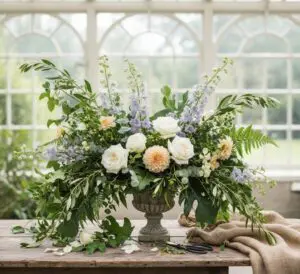
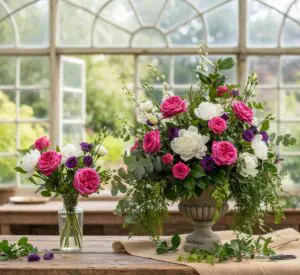
Imagine two identical rose bouquets – one with just flowers, and another enhanced with eucalyptus and ferns.
The first looks plain; the second feels lush, textured, and professionally finished.
That’s the magic of the right green foliage for flower arrangements — it transforms ordinary into extraordinary.
Fresh Foliage for Every Style
Style
Recommended Foliage
Why It Works
Classic Elegance
Leather Leaf, Ruscus, Laurel
Structured and timeless
Modern Minimalist
Monstera, Palm Leaves
Bold and clean lines
Rustic Romance
Eucalyptus, Ivy, Pittosporum
Soft and organic
Tropical Luxe
Banana Leaves, Aspidistra, Ferns
Vibrant and exotic
Bohemian Chic
Olive Branch, Wild Fern, Eucalyptus
Natural and carefree
Sustainability in Foliage Use
Modern floristry is moving toward eco-friendly foliage choices. Here’s how you can practice sustainable floral design.
Utilize locally grown foliage to minimize transportation emissions.
Reuse hardy greens like ruscus or leatherleaf in multiple designs.
Avoid using foam by opting for reusable flower frogs or wire frames.
Compost used foliage to minimize waste.
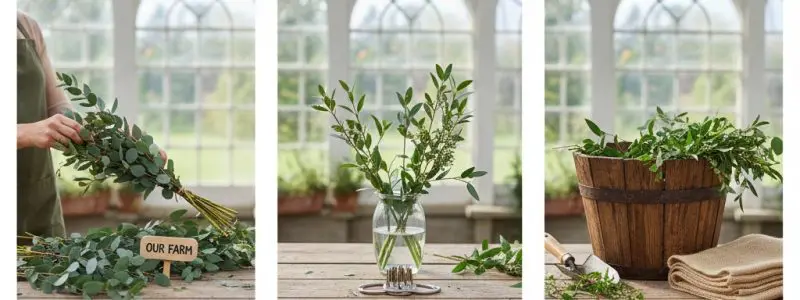
At Black Tulip Flowers, we source our greenery from our own farms, ensuring that every stem meets the highest standards of sustainability and freshness.
Final Thoughts
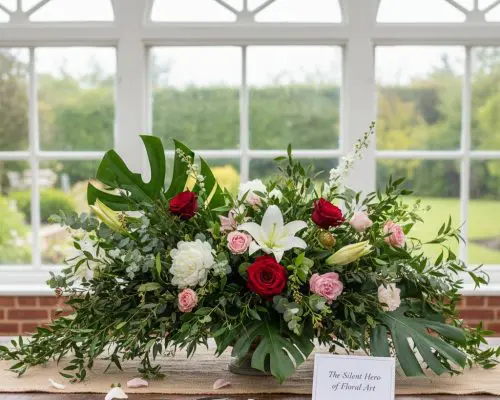
Foliage is the silent hero of floral art — the texture, color, and balance that bring flowers to life.
Whether it’s dark green foliage for dramatic contrast or soft eucalyptus leaves for a dreamy finish, the right greens elevate your bouquet from simple to spectacular.
The next time you design or receive a bouquet, take a moment to appreciate the green leaves for flower arrangements that make it all come together quietly, beautifully, and with purpose.
Want to buy foliage online? Explore our hand-picked, farm-fresh fillers collection, ready to elevate every floral creation.
Zahrat is a luxury floral and gifting content specialist with hands-on experience in premium flower delivery and curated surprise gifting. Her writing is informed by real customer gifting behavior, industry best practices, and evolving floral trends. She creates accurate, helpful, and trust-focused content that guides readers in making confident, high-value gifting decisions for birthdays and special occasions.